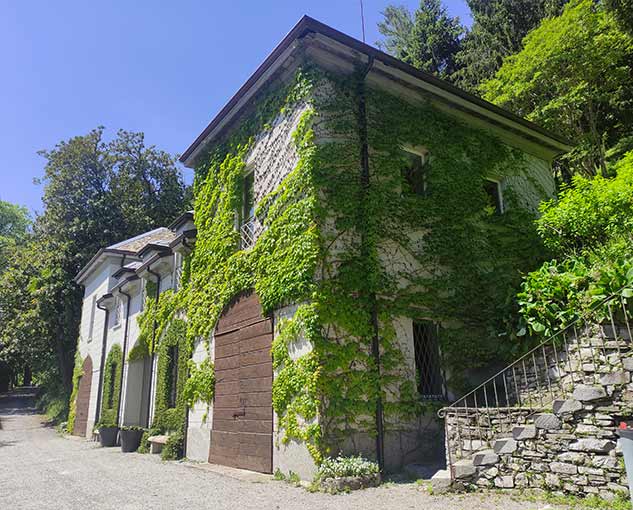
The EUMACC Summer School 2026 brings together early-career researchers, PhD students, and advanced Master’s students working at the intersection of artificial intelligence and climate science. Hosted at Villa del Grumello on Lake Como, the programme offers four intensive days of lectures, discussions, and hands-on sessions led by internationally recognised experts in climate dynamics, Earth system modelling, extreme events, and AI for environmental prediction. The school is designed around a central question: how can AI help us better understand the climate system and support decisions in a warming world? Participants will move from fundamental processes — land–atmosphere interactions, predictability, extremes — to state-of-the-art machine learning methods and their application to impacts, adaptation, and climate services. Alongside invited keynote talks, the programme includes interactive PICO sessions, collaborative group work, and practical workshops on climate datasets and ML workflows. This summer school marks the first initiative of EUMACC (Euro-Mediterranean AI for Climate Change), a newly formed network of researchers and academics who use AI to study the climate. EUMACC aims to strengthen connections across Europe and the Mediterranean region, foster knowledge exchange at the AI–climate interface, and build the foundations for joint research, funding consortia, and coordinated outreach activities. By combining scientific depth with collaborative exchange, the EUMACC Summer School seeks to cultivate a new generation of researchers equipped to advance climate intelligence — from physical understanding to actionable insights.
The Lake Como School of Advanced Studies is an international research facility. We run fellowships, short term programmes on a wide range of interdisciplinary subjects, that share a common focus on complex systems.